



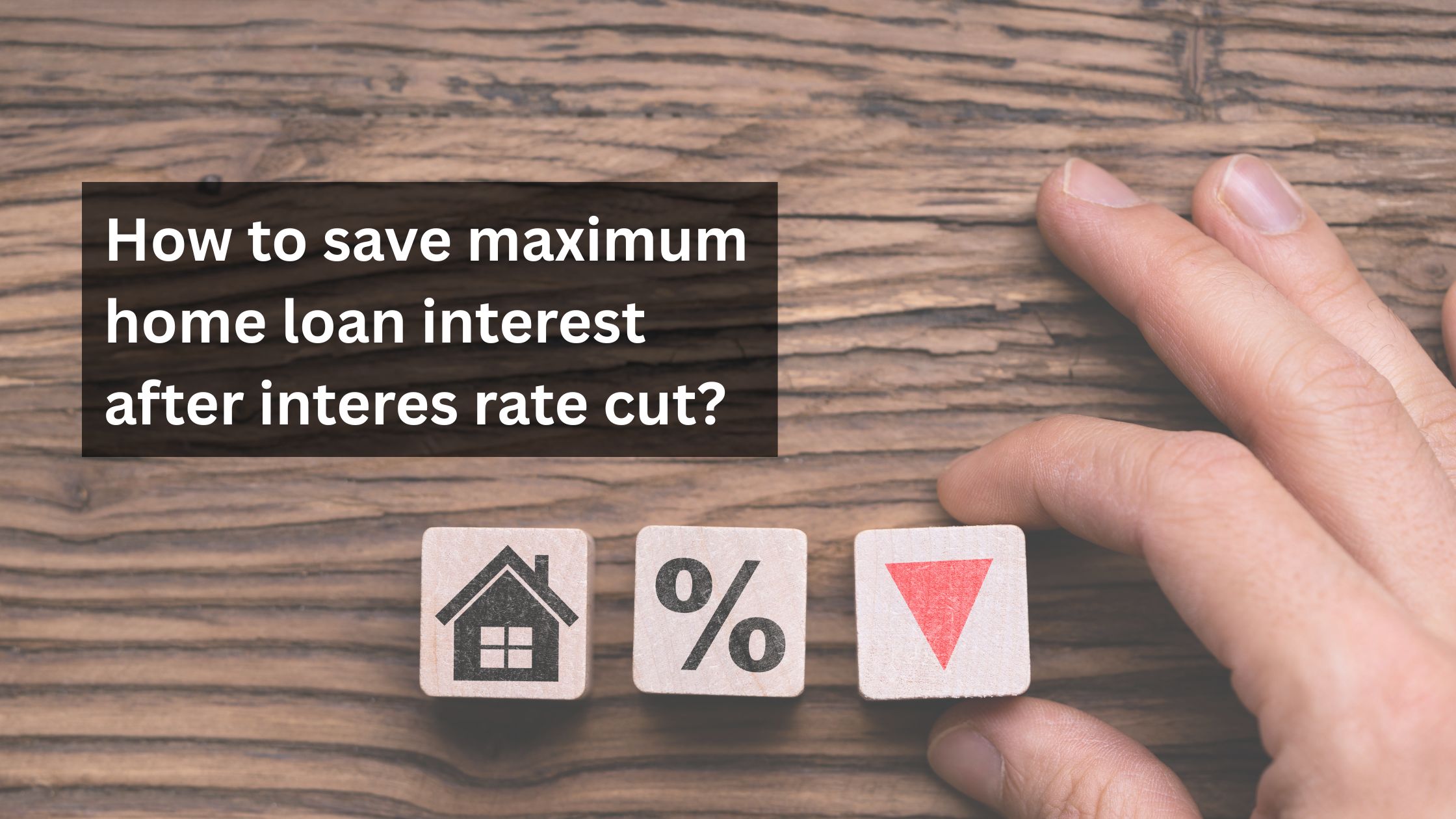
Home loan interest rate cut: Reduce EMI or home loan tenure, which opt...
Since the recent repo rate cut of 50 basis points by the RBI, several banks have resp...

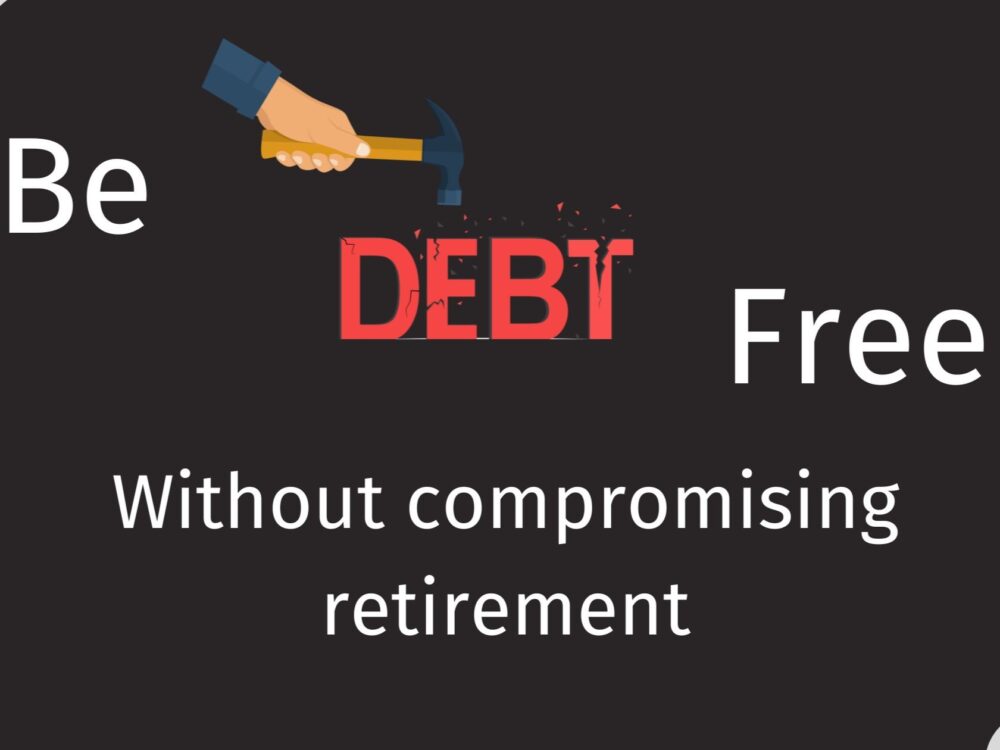
In today’s fast-paced world, especially in India, people of all ages, particularly young adults, are turning to EMIs to fulfil immediate desires. With growing incomes and easy access to “no cost” EMIs, it seems simpler than ever to live the lifestyle you want. Yet, while these financial conveniences make today’s lifestyle look affordable, they often come at a cost to your future financial security—especially if retirement planning is ignored.
Here, we’ll explore how you can live debt-free and secure your retirement without compromising your lifestyle. Through smart credit card use, budgeting, and a balanced approach to short and long-term goals, achieving financial freedom for both today and tomorrow is possible.
EMIs may seem like the perfect solution to modern financial needs. However, they can be deceptive. Here’s why:
Banks and financing companies often offer low interest rates or “no cost” EMIs, which make it easy to justify big-ticket purchases. But these options can mislead people into seeing debt as harmless, encouraging spending beyond their means.
While it’s easy to think of retirement as a distant goal, the reality is that it’s never too early to start planning. This is especially true for non-government employees, businesspeople, and professionals in India, who lack the retirement benefits typically provided by government jobs.
To maintain financial security and enjoy the present, balance your approach to debt and retirement savings.
Breaking down your goals ensures each aspect of your financial life is covered without compromise.
Given the lack of universal retirement benefits, it’s essential to create your own safety net. Few examples include provident fund, NPS, mutual funds, RBI bonds, and traditional insurance plans. A diversified portfolio ensures a balance between growth and stability.
Debt can be productive if used strategically, but unplanned debt erodes financial independence. Loans taken for appreciating assets like education or home purchases are more productive than debt for consumables like vacations or luxury items.
One of my clients, Arjun Pai, a 28-year-old engineer from Mumbai, found himself in a similar situation. Like many young adults, he enjoyed a modern lifestyle—a new car, the latest gadgets, and frequent vacations. Since these purchases were on “easy” EMIs, he assumed he could afford them.
Managing debt and saving for retirement are not mutually exclusive; in fact, they must go hand in hand. Planning now allows you to enjoy both a debt-free life and a financially independent retirement.
By taking a disciplined, goal-oriented approach, you can experience the freedom of being debt-free while building a future that aligns with your dreams. With wise spending, smart planning, and consistent savings, financial independence and a fulfilling retirement are within reach.

The views in the article /blog are personal and that of the author. The idea is to create awareness and not intended to provide any product recommendations.


Since the recent repo rate cut of 50 basis points by the RBI, several banks have resp...
Gain a clear understanding of good vs bad liabilities with our comprehensive guide.
The devastating effects of the COVID-19 pandemic left a trail of financial turmoil in...