


Property in Thane: Should you invest in Thane district real estate in ...
Thane offers a Mumbai-like lifestyle at more affordable prices. It has a track record...

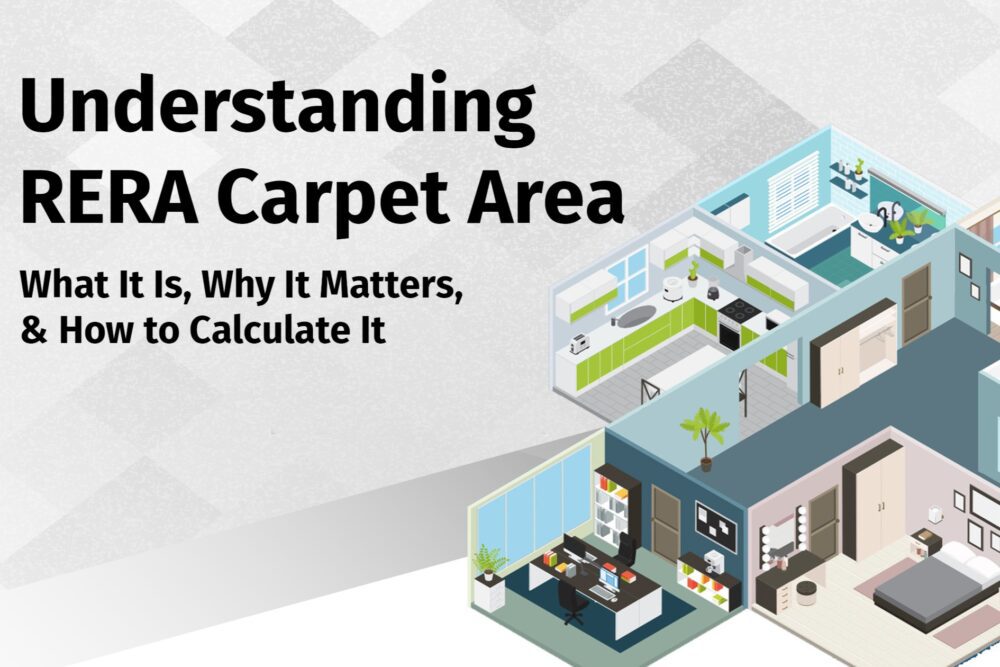
In this blog, we’ll dive into everything you need to know about RERA carpet area: what it means, why it matters, how it’s calculated, and how it benefits homebuyers. For more data driven key insights, visit Reality of Mumbai Realty Report.
When buying a property, have you ever found yourself wondering, What is RERA carpet area?
It’s a simple question, but an important one. It helps you understand how much space you’ll actually be able to use in your new home. It’s one of the most essential thing to know for making the right decision, after all, knowing the exact dimensions of your future home helps you avoid surprises and gives you the confidence to choose wisely.
That said, terms like “carpet area,” “built-up area,” and “super built-up area” can often create confusion. It’s not always clear what each one means or how they affect the usable space in your property. Fortunately, the Real Estate Regulatory Authority (RERA) has simplified things by introducing a standardised way to define and calculate carpet area. This has brought much-needed transparency and fairness to real estate transactions.
As defined by RERA, carpet area refers to the net usable floor area of an apartment.
Let’s break down its components:
The RERA carpet area is calculated using the following formula:
Carpet Area = Usable Floor Area + Thickness of Internal Walls
Consider an apartment with the following dimensions:
The usable floor area will be
300 + 200 + 200 + 150 + 50 + 50 = 950 sq. ft.
The RERA carpet area equals the total usable floor area, including internal walls:
950 + 100 = 1,050 sq. ft.
Balconies and common areas, being non-usable under RERA, are excluded from this calculation.
This simple method provides clarity on the usable space, enabling buyers to compare properties effectively.
Understanding why RERA carpet area is important can be a great help when investing in real estate. Here’s why it matters:
In short, knowing your carpet area helps you make smarter, more informed decisions when buying a home.
If you’re interested in real estate trends and want valuable insights, be sure to check out this report: The Reality of Mumbai Realty.
| Aspect | RERA Carpet Area | Built-Up Area | Super Built-Up Area |
| Definition | Usable floor area including walls. | Carpet area + external walls. | Built-up area + shared spaces. |
| Includes | Rooms, internal walls. | Internal + external walls. | Lobby, staircase, amenities. |
| Excludes | Balconies, terraces, common areas. | Common areas, amenities. | N/A. |
| Usefulness | Accurate pricing. | Indicative size. | Marketing tool by builders. |
RERA regulations ensure that you only pay for the usable spaces in their homes. The key benefits include:
Understanding what is RERA carpet area gives helps you gain more clarity, confidence and control over your real estate investments.
What is included in RERA carpet area?
Rooms and internal walls are included, while balconies, terraces, and common spaces are excluded.
Why is RERA carpet area important?
It ensures buyers pay only for the usable area, promoting transparency and fairness.
How can I verify the carpet area of a property?
Always check the builder’s RERA certification and compare the provided floor plan with RERA guidelines.
Understanding RERA carpet area is essential for any homebuyer. When you’re buying a home, the space you live in matters. You don’t want to pay for walls you don’t touch or air you don’t breathe. That’s where RERA carpet area comes in. It’s the part of the house you’ll actually use—the rooms you’ll live in, the floors you’ll walk on. It’s simple, honest, and clear.
Thanks to RERA, developers can’t hide behind vague numbers anymore. You can ask them straight: What is RERA carpet area? And you’ll know what you’re paying for.

The views in the article /blog are personal and that of the author. The idea is to create awareness and not intended to provide any product recommendations.


Thane offers a Mumbai-like lifestyle at more affordable prices. It has a track record...
Many of us dream of owning a home. This aspiration, along with the fact that real est...

Know the risks and rewards of investing in Embassy REIT before you decide.