


The Evolving Regulatory Framework for Cryptocurrency
Explore the dynamic shifts in cryptocurrency regulations. Stay informed and adapt to ...

Crypto
The cryptocurrency market continues to expand, bringing increased security concerns for investors. With cyber threats on the rise, securing digital assets is more critical than ever. Cold wallets have emerged as the most reliable method for safeguarding cryptocurrencies, providing protection from online vulnerabilities and potential cyberattacks.
Unlike hot wallets, which remain connected to the internet and are susceptible to hacking, cold wallets keep private keys offline, significantly reducing the risk of unauthorised access. These wallets serve as the gold standard in crypto security, offering unmatched protection for long-term holdings.
Cold wallets come in different forms, each offering distinct security advantages:
Simply owning a cold wallet is not enough—proper security protocols must be followed to maximise safety. Here are key best practices:
Always buy hardware wallets from official sources to avoid tampered or compromised devices. Avoid purchasing second-hand wallets, as they may be vulnerable to manipulation.
Regularly update your wallet’s software and firmware to benefit from the latest security enhancements. Vendors frequently release patches to address vulnerabilities.
Your seed phrase is your ultimate backup—if you lose access to your wallet, it’s the only way to recover funds. Store it offline in multiple secure locations, such as fireproof safes or metal backup plates.
Protect your wallet with a strong PIN or passphrase. Never share this information with anyone, and avoid storing it digitally to prevent hacking attempts.
Before sending any cryptocurrency, verify the recipient’s address carefully. Blockchain transactions are irreversible—once sent, funds cannot be recovered if the address is incorrect.
For added security, only transfer necessary amounts to a hot wallet for immediate use while keeping the bulk of your assets in cold storage. This reduces exposure to online threats.
As India’s crypto industry continues to grow, security remains a key concern. While Indian centralised exchanges (CEXs) are making progress, they still lag behind global security standards. Investors must take responsibility for securing their own assets.
By understanding the regulatory framework, evaluating exchange security, and utilising cold storage solutions, investors can better protect their digital assets in this evolving ecosystem.
Cold wallets remain the most effective defence against crypto theft, offering superior protection for long-term storage. By following best practices—such as securing your seed phrase, using strong authentication, and maintaining a hot-to-cold wallet strategy—you can safeguard your digital wealth against potential threats. As the Indian crypto market matures, prioritising security and self-custody is essential for responsible investing.

The views in the article /blog are personal and that of the author. The idea is to create awareness and not intended to provide any product recommendations.


Explore the dynamic shifts in cryptocurrency regulations. Stay informed and adapt to ...

Exploring the world of Non-Fungible Tokens (NFTs), this blog delves into their unique...
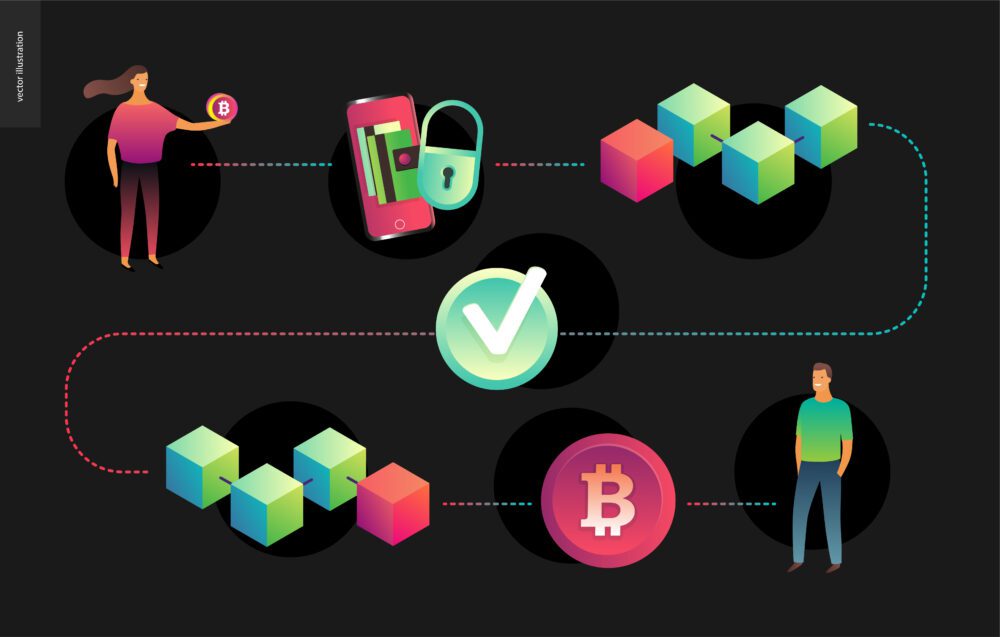
Uncover how Bitcoin's blockchain reshapes finance and seamlessly integrates with IoT ...