1 Finance Blog

Discover financial wisdom on our blog for expert insights on personal finance, investing, and money management.


Understanding the difference between short-term and long-term capital gains in India

Tax Planning

4 min read

Understanding the difference between short-term and long-term capital gains in India

Understanding short-term and long-term capital gains is crucial for complying with tax laws and filing your…

What is asset allocation? Understanding its meaning, importance, advantages, and disadvantages

Investing

5 min read

What is asset allocation? Understanding its meaning, importance, advantages, and disadvantages

Asset allocation means spreading your money across different types of investments, like stocks, bonds, gold, and…

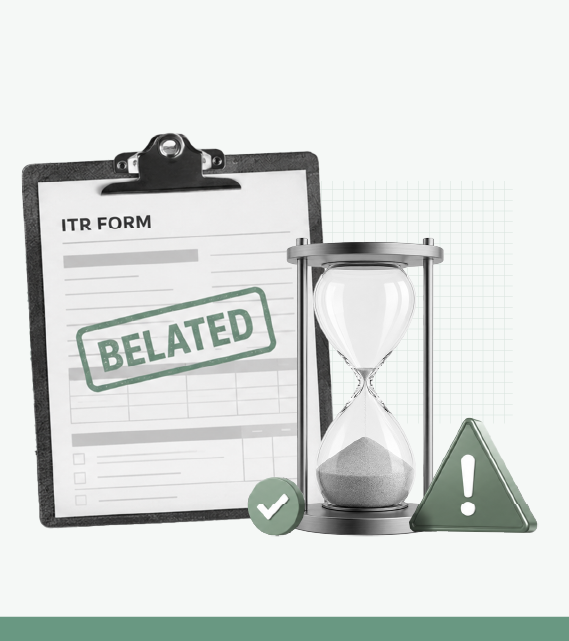
Belated Return or Revision : Your Last Chance to File or Revise ITR for the Year 2022-23

ITR Filing

5 min read

Belated Return or Revision : Your Last Chance to File or Revise ITR for the Year 2022-23

When discussing personal finance, one topic we can’t overlook is income tax filing—an annual ritual where…

Understanding CAGR and XIRR: Which One Should You Use to Calculate Investment Returns?

Mutual Fund

2 min read

Understanding CAGR and XIRR: Which One Should You Use to Calculate Investment Returns?

The objective of any investment is to generate returns, and while calculating the returns, investors come…

Factors to Consider Before Making a Loan Prepayment

Loan Planning

4 min read

Factors to Consider Before Making a Loan Prepayment

Tired of long nights spent tossing and turning, kept awake by thoughts of towering debt or…

The Role of a Financial Advisor in Retirement Planning

Personal Finance

3 min read

The Role of a Financial Advisor in Retirement Planning

By the textbook definition, ‘retirement’ is a stage in life when a person decides to quit…

Mastering Personal Loans: Your Ultimate Guide to Financial Flexibility and Smart Borrowing | Temperament by 1 Finance

Temperament

3 min read

Mastering Personal Loans: Your Ultimate Guide to Financial Flexibility and Smart Borrowing | Temperament by 1 Finance

In an era where financial flexibility is more important than ever, personal loans emerge as the…

5 Key Retirement Planning Strategies for Every Age

Retirement Planning

9 min read

5 Key Retirement Planning Strategies for Every Age

Whether you're just starting your career or nearing retirement age, this article outlines 5...

Organise Your Financial Documents with DocuLocker!

Personal Finance

2 min read

Organise Your Financial Documents with DocuLocker!

Let’s be honest—managing financial documents can feel overwhelming. Tax returns in one folder, insurance papers in…

5 Horsemen of Solid Personal Financial Planning

Personal Finance

5 min read

5 Horsemen of Solid Personal Financial Planning

Throughout history one question has been consistently pondered upon- what constitutes a well-lived life? While the…

Debt mutual funds and negative returns? Why ‘safe’ investments can still lose money

Mutual Fund

5 min read

Debt mutual funds and negative returns? Why ‘safe’ investments can still lose money

Learn why debt mutual funds can lose money even when considered safe.

Retirement Funds or Equity Funds: What’s better?

Mutual Fund

3 min read

Retirement Funds or Equity Funds: What’s better?

Planning for a secure and comfortable retirement is a crucial financial goal for most people. With…

moneysign shape

Discover your MoneySign®

Identify the personality traits and behavioural patterns that shape your financial choices.

Frequently Asked Questions

faq-icon

What is financial planning?

Financial planning is the process of evaluating your current finances and making a plan to map your journey to financial well-being.

It involves looking at all aspects of your financial life - income, savings, debt, investments, etc.

The aim is to understand where you stand today financially and then chart a course to get you where you want to be in the long run.

Financial planning provides direction and structure to your finances. It helps you intentionally move toward financial wellness.

The plan equips you to prepare for expected life events like retirement as well as unexpected events.

In short, financial planning bridges your present circumstances to your desired financial future. It gives you a path to follow.

faq-icon

What are the benefits of working with a financial advisor?

Working with a financial advisor can provide an invaluable perspective on your current situation. With the help of a financial advisor, you can assess your finances holistically - debts, assets, income streams, and more. With this comprehensive understanding, the advisor helps craft strategies tailored to your needs.

A financial plan crafted by a qualified advisor grants you agency over your financial life. It transforms vague anxiety about the future into proactive preparation. With expert guidance, you can map out actionable steps to strengthen your finances over time.

faq-icon

Why is financial planning important?

Financial planning is important because it provides clarity and control over your finances.

Having a financial plan helps you:

  • Understand where you stand financially today
  • Map out specific steps to improve your financial situation
  • Prepare for major life events like marriage, child’s education, retirement etc.
  • Budget effectively and evaluate your investment portfolio
  • Strategic Tax Planning & Filing
  • Manage and reduce debt
  • Being financially ready for emergencies
  • Creating a will to preserve your legacy

In short, financial planning is essential for financial stability and peace of mind. It gives your finances direction and purpose. With proper planning, you can take charge of your money and build financial security.


Chat with us