



Exploring the 4% Safe Withdrawal Rule for Retirement Planning in India
Retirement planning is an essential aspect of personal finance, ensuring that you hav...


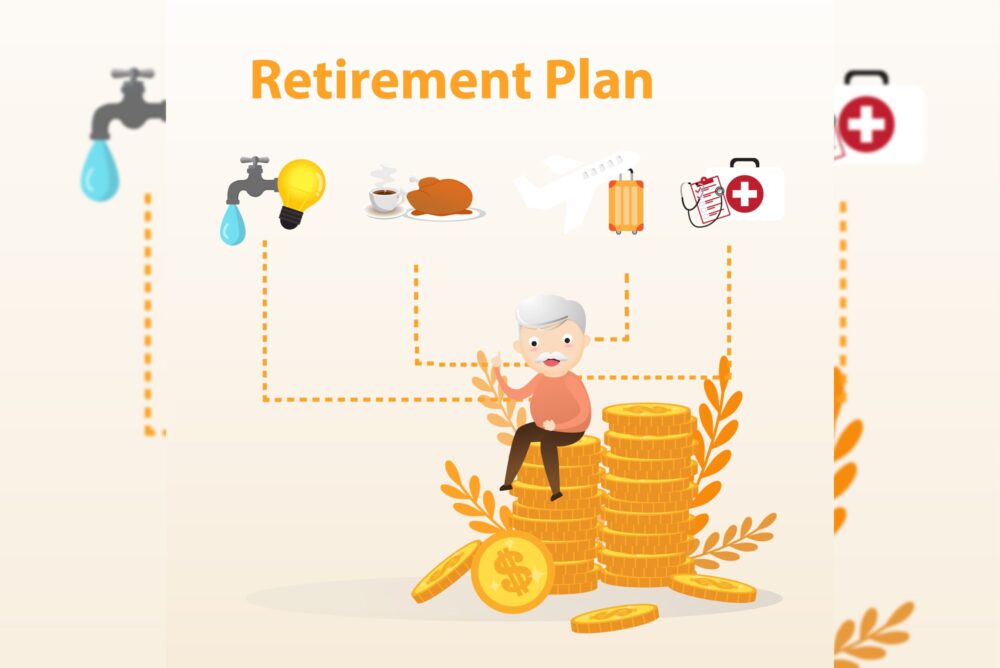
Life has many phases: birth, childhood, youth, middle age, and finally, retirement. Here, we focus on retirement—what it means and retirement planning matters. There are many definitions of retirement, for instance : Cambridge Dictionary defines retirement as:” the act of leaving your job and stopping working, usually because you are old.” Another widely recognised definition of retirement is: “Retirement is the action or the fact of leaving your job and stopping work, usually because you have reached a particular age.” Well, it can be said that retirement is when a person leaves work for good and spends their time doing what they love. It offers the chance to chase dreams and hobbies once set aside. But retirement also means the end of a steady paycheck, while the cost of living and enjoying life goes on. The money you have in retirement depends on what you saved during your working years. Without a regular income, how do you keep up your lifestyle? That’s where retirement planning comes in.
Retirement planning means preparing for various aspects of your retirement life, to ensure you can maintain your lifestyle and pursue your retirement goals.
Retirement planning involves assessing income sources, estimating future expenses, and creating an investment or savings strategy to meet retirement goals and effectively manage risks.
When you’re working, your paycheck covers your expenses. But in retirement, things change. The money you have then depends on what you saved while you were working. You need to balance your earnings between covering today’s needs and saving for tomorrow. This savings is called your retirement corpus.
Retirement corpus is the money saved by a person over a lifetime, meant to support them after they stop working. It’s the nest egg that ensures a secure and comfortable life when the paychecks stop. Without it, retirement can be uncertain and difficult.
You need to build a retirement corpus because the money you’ll need in retirement depends on your expected expenses. These expenses vary based on your lifestyle, health, and how long you live. Some of these are choices—you might spend less, or you might want to travel. Other factors, like health and life expectancy, are beyond your control. A good retirement plan considers all these factors and helps you save the right amount. When you retire, this corpus provides the income you need to cover your expenses.
You build a retirement corpus during your working years from your earnings. You set aside a portion of your income to save for the future. Sometimes, your employer might also contribute, like in the National Pension System for government workers. Most of the time, though, it’s up to you to save. For some, like government employees, saving for retirement is mandatory. For others, like self-employed people, it’s a choice. But either way, building that corpus is key to securing your future.
A retirement corpus calculator helps you figure out how much money you’ll need by the time you retire to keep up the lifestyle you want. It takes into account your current age, when you plan to retire, expected inflation, and the rate of return on your investments. Using these factors, it calculates the total amount you need to save.
The amount you’ll need for a comfortable retirement depends on several things: your lifestyle, your age, inflation, investment returns, and other income like pensions or rent.
Key Considerations:
Plan carefully. Keep an eye on your money and make changes as needed. That’s the best way to make sure your retirement is secure.
Start planning for retirement as soon as you can. Your strategy should match your stage in life and your future goals.
Early Career (in your 20s):
Begin saving and investing right away. The earlier you start, the more you benefit from compound interest. Put your money in growth investments like stocks. Time is on your side.
Mid-Career (30-40):
As your income grows, increase what you save for retirement. Spread your investments around. Think about big expenses coming up, like your children’s education.
Pre-Retirement (40-60):
Now’s the time to boost your retirement savings. Start shifting to safer investments. Figure out what you’ll need to live on and how much income you’ll have.
Retirement (60+):
Make a plan for steady income. Keep a close eye on your expenses. Look at options like annuities. Use smart tax strategies to make your money last longer.
Retirement is a long game. It takes years to save enough and just as long to make it last. The money you need changes as your needs change. Inflation and investment returns shift over time. This means you have to check and adjust your plans regularly.
Sometimes, what you save isn’t enough to cover your expenses in retirement. Loans and debt aren’t good options because you may not have the income to pay them back. So, you need a solid retirement planing to manage any shortfall.
Saving for retirement and retirement planning is a long-term project. You need to keep saving and investing throughout your working life. You can’t build a large retirement fund quickly. You need time. The longer you have, the better you can handle the ups and downs of the market.
Invest regularly, even if it’s a small amount each time. This way, you buy at different prices, and over time, this can lower your overall costs. This strategy works well for all investments that have volatile prices.
Retirees want different things from their retirement income:
These needs can conflict. Higher returns come with more risk. Inflation protection means more volatility. Simple investments might not offer enough flexibility or returns. Building a retirement portfolio is about finding the right balance. No single product will meet all needs, but planning well can ensure your money lasts as long as you do.
When it comes to retirement, governments around the world encourage people to save for the future. They do this by offering financial products with favorable tax treatment. You get benefits when you put money in, like income deductions, and sometimes when you take money out, like exemptions on capital gains. This makes these products more attractive and encourages saving.
In India, there are several popular options: the National Pension System (NPS), Employee Provident Fund (EPF), Public Provident Fund (PPF), Atal Pension Yojana (APY), pension plans from insurance companies, and the Senior Citizens Saving Scheme (SCSS). Most of these give returns similar to debt. But the NPS stands out because it offers a mix of different assets—stocks, bonds, and alternatives. It’s flexible, allowing you to withdraw a lump sum at retirement and set up a regular income through an annuity.
The NPS works like this:
For a detailed guide on NPS, you can read more in a separate article.
Asset allocation is key to managing risk and keeping a steady income during retirement. As you get closer to retirement, adjust your investments to find the right balance between growth and stability. Here’s how different investments fit in:
Regularly review and adjust your portfolio to make sure it matches your needs and the market conditions. This strategic asset allocation will help you grow your savings, secure steady income, and protect your capital throughout retirement.
Planning for medical costs is one of the toughest parts of retirement. Health expenses can be high and unpredictable, depending on your health, lifestyle, gender, and family history. It’s hard to plan precisely, but a rough plan is better than none. You don’t want medical costs to catch you off guard.
Steps to Plan for Medical Costs:
Most people have medical coverage through their employer, but this usually ends at retirement unless you work in certain government jobs. It’s crucial to decide early on what kind of insurance to buy and how much coverage you’ll need. In India, health insurance typically covers only hospital stays and related costs. You’ll need to save a separate fund—a medical corpus—for other expenses.
Why Buy Insurance Early for Retirement Planning?
Buying insurance early keeps premiums lower and avoids exclusions for pre-existing conditions. For example, a Rs.5 lakh cover might cost Rs.10,000 at age 45 but could more than double by age 60. Many policies have a waiting period of 2-4 years for certain conditions, so getting covered before you retire ensures you’ll have the protection you need when you need it. Once you have a policy, regulations require insurers to offer lifetime renewal. Costs might go up, but they can’t increase just because you’ve made claims. Increase your coverage amount each time you renew to keep up with your needs as you age.
Health insurance premiums also provide tax benefits under Sec 80D of the Income Tax Act. After retirement, keep enough of your medical fund in liquid assets to cover at least three years of expenses. Invest the rest in safer products that offer better returns.
Taxes can eat into the returns on your retirement savings, so it’s important to plan for tax efficiency. There are tax benefits to consider at three stages of investing: when you contribute, when you earn returns, and when you sell or redeem investments. These tax implications affect the actual returns you earn, so choose investments that offer tax benefits to help your retirement corpus grow.
During the accumulation stage, look for investments that provide tax breaks to boost your savings. In the distribution stage, manage withdrawals to minimise tax impact and maximise income. Understanding these tax strategies can help ensure your retirement funds last longer and provide more.
Financial planners often use a bucket strategy to manage retirement funds. This approach divides your retirement savings into three buckets based on when you’ll need the money.
Each bucket serves a purpose. Bucket 1 is for immediate expenses. Bucket 2 refills Bucket 1 when needed, and Bucket 3 refills Bucket 2 over time. As retirement progresses, money moves from the riskier buckets to the safer ones.
There are different ways to refill the buckets:
Always refill the lower-risk buckets from higher-risk ones. If Bucket 3 loses value due to a market drop, don’t use Bucket 2 to make up for it. Instead, wait for Bucket 3 to recover over time.
Conservative Risk Management
Be cautious with riskier assets in Buckets 2 and 3. Set a target return, such as 12% per year. If the return is higher, take profits and move them to a safer bucket. This approach reduces risk but might limit growth from compounding. Most retirees prefer minimizing risk over maximizing returns.
Pre-Retirement Planning
It’s smart to plan the bucket strategy before retiring. Start filling your buckets ahead of time to lock in high interest rates and good entry prices on investments.
The bucket strategy can be tailored in many ways. You might choose three buckets or more, each covering a set period with increasing risk. You can also use pensions and annuities for essential expenses and the buckets for everything else. The goal is to manage your retirement funds in a way that balances safety, income, and growth.
By taking these steps, you can better manage inflation risk and ensure that your retirement savings retain their value over time, helping you maintain your lifestyle and financial security.
A holistic advisor takes the time to thoroughly review your complete financial situation, including assets, expenses, risk appetite, family needs and more. Based on their analysis they suggest personalised strategies tailored specifically to you to help maximise retirement savings and investment returns. Their guidance can help you make optimised decisions on selecting the right mix of financial products, balancing debt paydown versus investing, utilising tax-saving instruments properly, and maintaining an optimal asset allocation over time.
A good advisor proactively keeps you updated on new retirement planning opportunities and changes in regulations. They act as an objective sounding board for key decisions on whether to purchase annuities, how to withdraw savings in retirement, create legacy assets for the family, and more.
This expert guidance is invaluable in creating and fine-tuning an integrated retirement planning strategy designed around your unique situation and goals.
Retirement planning isn’t just about numbers on a page or charts filled with projections. It’s about preparing for the life you want to lead when the workdays are over. It’s about understanding what you truly need, knowing what you can let go of, and what you must hold on to. A good plan considers your needs and dreams, as well as the unexpected twists and turns life might throw your way.
A well-thought-out retirement strategy allows you to make the most of your hard-earned savings, ensuring you can live comfortably and with peace of mind. It gives you the confidence to face the future, knowing that you’ve prepared for it—not just financially, but mentally and emotionally as well. This plan is more than a safety net; it’s a map to guide you through the years ahead, helping you make sound decisions about how to spend your time, money, and energy.
In the end, retirement planning is about securing your freedom—freedom from worry, freedom to enjoy the fruits of your labour, and freedom to spend your days as you choose. It’s about building a life that reflects your values and aspirations, a life that, in its later years, is not merely survived but truly lived. So, take the time, do the work, and set a course that leads to a retirement filled with purpose, joy, and the fulfilment of dreams well earned.

The views in the article /blog are personal and that of the author. The idea is to create awareness and not intended to provide any product recommendations.


Retirement planning is an essential aspect of personal finance, ensuring that you hav...

Learn about Safe Withdrawal Rate
Are you worried about running out of money in retirement? Our article on retirement i...