




 Book a free consultation
How to plan your finances before marriage
Planning to get married? Don't forget to plan your finances first.

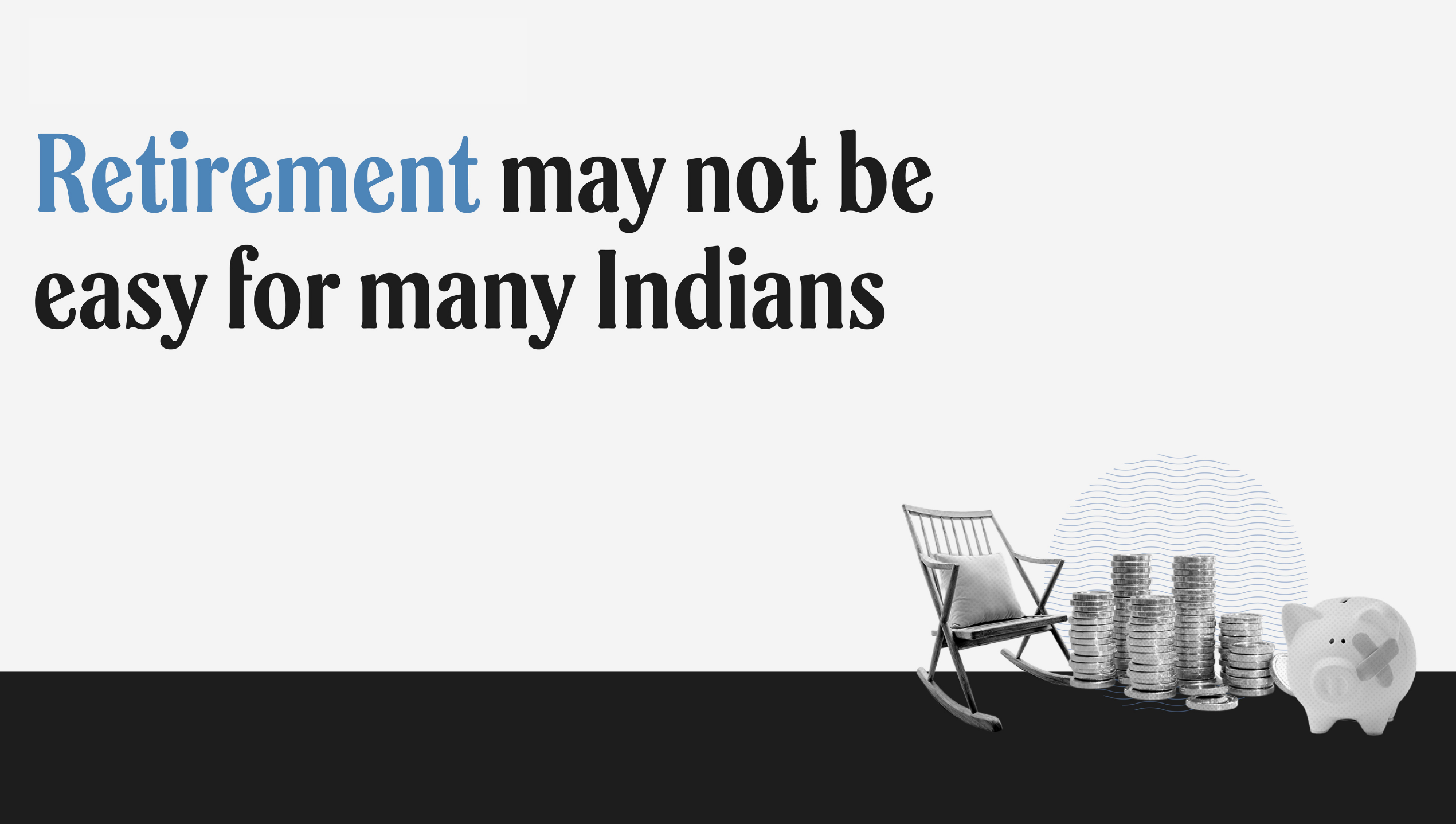
India is moving toward a major retirement challenge. In the coming years, millions of people will retire, but many are still not financially prepared for life after work.
For most Indians, retirement planning is often delayed until later in life. While some people have started preparing, a large number still do not have a clear plan.
According to the survey done by 1 Finance Magazine, only 24.5% of people have a detailed retirement plan. Around 52.5% have only a rough plan, while 23% have no proper plan at all.
What is more surprising is the level of confidence among people who are unprepared. Even among those without a proper retirement plan, 61.4% believe they will retire comfortably. Nearly one-third say they are very confident about their future.
At the same time, people who actually have a detailed retirement plan appear more cautious. Only 42.3% of them say they feel very confident.
This reflects an important truth about personal finance. The more people understand retirement planning, the more they realise how complex it can become. Those without a plan often underestimate the risks.
One of the biggest concerns is the age at which people begin saving for retirement.
The median age for starting retirement savings is 39. This means many Indians lose valuable years that could have helped their money grow through compounding.
Someone who starts investing at 30 gets more than three decades for investments to grow before retirement. But someone who starts near 40 may only have around 20 years. In retirement planning, time is often more important than making larger investments later in life.
The gap between current savings and future retirement needs is another major issue.
The median respondent in the survey has retirement savings of ₹28 lakh, while the target retirement corpus is ₹1 crore.
This gap exists across all income groups. In fact, wealthier households often face a larger gap because their lifestyle expectations are higher.
As incomes rise, people aim for a more comfortable retirement, but the amount needed to maintain that lifestyle also increases sharply. This makes retirement planning even more difficult if people start late.

Let our Qualified Financial Advisors guide you
Many Indians are also underestimating how long retirement may last.
Most respondents expect their retirement savings to last until around age 80. However, life expectancy in India is rising, increasing the risk that people may outlive their savings.
Healthcare costs are another major concern.
Medical inflation in India is increasing much faster than normal inflation. At the same time, a large share of healthcare expenses still comes directly from people’s own pockets.
Many people believe their expenses will reduce after retirement. While some costs may fall, others usually rise significantly — especially healthcare, travel during early retirement years, and domestic support later in life.
The survey also highlights a worrying lack of backup planning.
One in four respondents has no clear fallback option if retirement savings run out. Some expect financial help from family and friends, while others hope to continue working after retirement.
The article suggests a few practical steps that can improve retirement security:
These steps may not solve every problem, but they can reduce financial stress during retirement.
Let our Qualified Financial Advisors guide you
More than half of the respondents prefer managing retirement planning on their own. While there is nothing wrong with a do-it-yourself approach, retirement planning today involves much more than simply investing money.
People must also plan for:
Many retirement plans fail not because the calculations are wrong, but because people make emotional decisions during difficult market periods. A good advisor can help people remain disciplined and focused on long-term goals.
The most important insight from the article is the gap between confidence and preparation.
Confidence can be helpful when it is supported by a solid plan. But confidence without preparation can become dangerous.
Retirement planning is not about finding perfect investments or beating the market. It is about making sure the life people expect after retirement matches the financial resources they are building today.
The people who succeed are often not the most confident ones. They are the ones who recognise the gap early, take it seriously, and begin working to close it step by step.

The views in the article /blog are personal and that of the author. The idea is to create awareness and not intended to provide any product recommendations.


Planning to get married? Don't forget to plan your finances first.
Spot mis-selling in mutual funds and learn how to report it safely.

Surrendering a life insurance policy with the Life Insurance Corporation (LIC) of Ind...