
P2P Lending in 2025: The Future of Alternative Financing
By Arman Qureshi
Peer to Peer lending (P2P)
Oct 21, 2024


Plan Your Retirement with Our Qualified Financial Advisors

Your first financial plan is free
Peer-to-peer (P2P) lending has evolved from a niche financial service into a global phenomenon, reshaping the way individuals and businesses access capital. What began as an alternative to traditional banking has become a multi-billion-dollar industry, characterized by innovation, inclusivity, and, increasingly, regulation. Let’s explore the current state of the global P2P lending landscape and its implications for the future, with a particular focus on India’s emerging role.
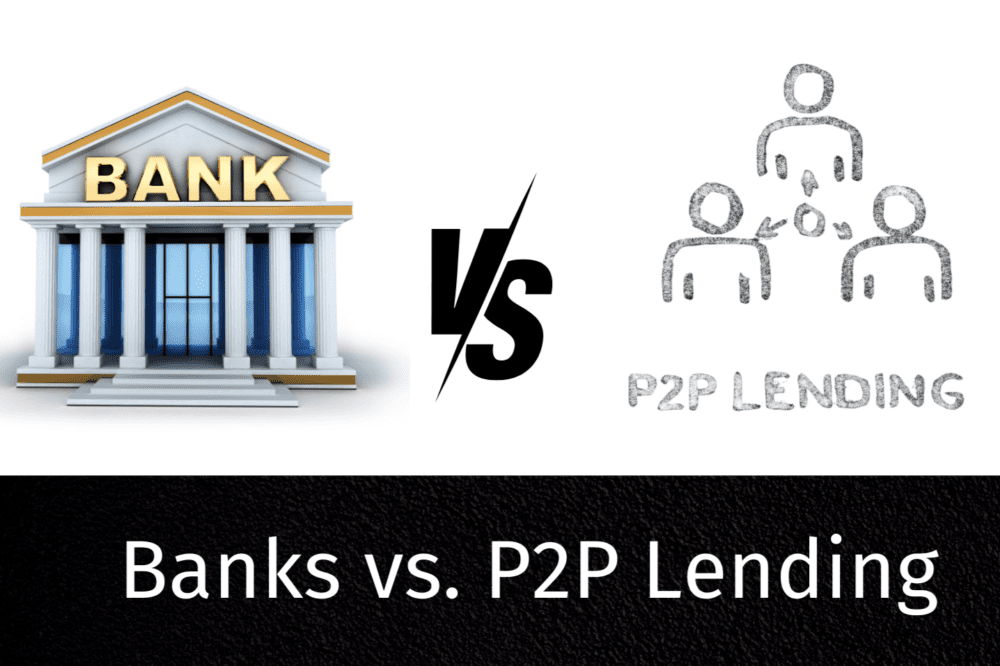
P2P lending platforms connect lenders directly with borrowers, cutting out intermediaries like banks. This model offers borrowers more accessible financing options, often at lower interest rates, while providing lenders the opportunity to earn higher returns compared to traditional savings accounts or bonds.
The sector has seen explosive growth, particularly in regions like North America, Europe, and Asia-Pacific. According to market research, the global P2P lending market was valued at approximately $83 billion in 2020 and is expected to reach nearly $705 billion by 2030, growing at a compound annual growth rate (CAGR) of 27.4% from 2021 to 2030. The key drivers of this growth include:
North America: The U.S. remains one of the largest markets for P2P lending, with platforms like LendingClub and Prosper leading the charge. However, the market has matured, and growth has slowed due to increased regulation and competition from traditional financial institutions that have begun to offer similar online lending services.
Europe: The European market is highly fragmented, with the UK leading in terms of market size and innovation. Brexit, however, has introduced regulatory uncertainties that may impact cross-border P2P lending activities. The European Union is moving towards a more unified regulatory framework to ensure transparency and protect lenders.
Asia-Pacific: This region has seen rapid adoption of P2P lending, particularly in China, which at one point accounted for the majority of the global market. However, the Chinese government’s crackdown on unregulated platforms led to a significant market contraction. Despite this, other countries like India and Indonesia are emerging as key players, driven by large unbanked populations and supportive government policies.
India has emerged as one of the fastest-growing P2P lending markets, reflecting the broader trends in the Asia-Pacific region. The country’s P2P lending sector has been buoyed by several key factors:
Africa and Latin America: While still nascent, P2P lending is gaining traction in these regions. The focus is primarily on microloans and small business financing, addressing the gap left by traditional financial institutions. The potential for growth is substantial, particularly with increasing smartphone penetration and digital literacy.
Despite its rapid growth, the P2P lending industry faces several challenges:
The global P2P lending industry is at a critical juncture. As it continues to evolve, the balance between growth and regulation will be key. Platforms that can innovate while maintaining transparency and compliance are likely to thrive.
India, in particular, is poised to become a major player in the global P2P lending market. With its unique combination of regulatory support, technological innovation, and a large, underserved population, the country’s P2P lending sector is set for significant expansion. The integration of P2P lending with other fintech services, such as blockchain-based lending and decentralized finance (DeFi), could further disrupt the financial landscape globally.
In conclusion, P2P lending has transitioned from a disruptive force to a mainstream financial service with global reach. As the industry navigates its next phase of growth, the ability to adapt to changing regulatory environments, embrace technological advancements, and cater to a diverse range of borrowers and lenders will be crucial. The future of P2P lending is promising, with the potential to reshape financial ecosystems around the world, with India playing a pivotal role in this transformation.

The views in the article /blog are personal and that of the author. The idea is to create awareness and not intended to provide any product recommendations.


Plan Your Retirement with Our Qualified Financial Advisors
Your first financial plan is free