

‘Guaranteed returns’: Understand how your psychology traps you into financial mis-selling
By Tejashree Satpute
Behavioural Finance
Mar 18, 2026

Plan Your Retirement with Our Qualified Financial Advisors

Your first financial plan is free
Meeting a financial advisor for the first time can feel a bit overwhelming, especially when you’re unsure about your finances and just looking for the right guidance. Many people go in thinking it’s only about investments, and that financial planning simply means where to put their money.
But financial planning is much more than that. It’s about understanding your risks, managing debt better, choosing the right insurance, handling taxes smartly, and building wealth step by step in a clear and organised way.
In this blog, we’ll look at the key questions you should ask when you meet a financial advisor for the first time.
This question is very important because every financial plan starts with understanding what could go wrong. Often, everything may appear to be on track, but risks only become visible when you take a closer look.
A financial advisor helps by taking a structured look at your entire financial situation. They will focus on identifying potential gaps or immediate risk that can derail your finances. These include potential risks such as unstable income, high or unmanaged debt, insufficient emergency savings, inadequate insurance coverage, and overall financial exposure to unexpected events.
Financial planning starts with understanding and managing these risks, as they form the foundation for a stable, secure financial future.
Debt plays a major role in your overall financial stability. High EMI level can reduce your financial flexibility and increase pressure on your monthly cash flow.
You can ask your advisor: “Is my current EMI-to-income ratio within a safe range, or am I over-leveraged?” A good advisor will assess whether your EMIs are manageable relative to your income. Generally, a debt-to-income ratio below 40% is regarded as safe. If a significant portion of your income is going toward EMIs, it can limit your ability to save and invest effectively. In such cases, your advisor may suggest ways to reduce your EMI burden, such as loan restructuring or refinancing, depending on your situation.
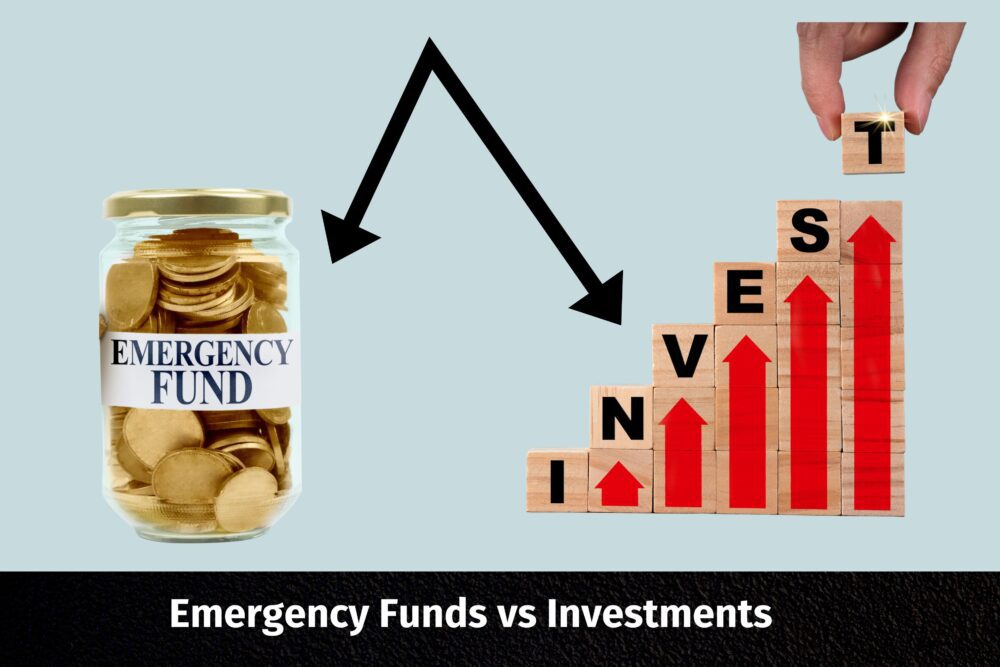
An emergency fund is money you keep aside for unexpected situations like a job loss, medical emergency, or sudden expense. It acts as a safety buffer so you don’t have to depend on loans or break your investments when something goes wrong.
A good advisor will consider factors such as monthly cashflow and expenses, before suggesting an appropriate amount. Typically, maintaining six to twelve months of expenses is recommended, but the exact requirement can vary by person.
Without a sufficient emergency buffer, taking aggressive financial decisions may not be suitable, as unexpected situations can disrupt your overall financial stability.
Insurance protects you from unexpected financial expenses such as medical emergencies. You can ask whether your current life and health insurance coverage is sufficient based on your income and family responsibilities. Many investors focus more on mutual funds but neglect risk protection, which can lead to financial stress during emergencies.
A financial advisor will review your current life and health insurance based on your income, expenses, and responsibilities. They will check whether your coverage is sufficient to support your family and meet potential future needs. If there are gaps, they may suggest increasing coverage or choosing better-suited policies, so that you are financially protected against major risks.
Instead of asking whether your individual investments are performing well, a better question is: “Is my overall portfolio aligned with my goals and risk profile?” Even if individual investments are doing well, your overall portfolio may still be unbalanced or not suited to your needs.
A good advisor will evaluate whether your investments align with your risk profile. They will check if your portfolio is structured to support both your short-term and long-term goals, and whether your asset allocation is in place. They will also assess if you are overexposed to certain asset classes and whether any adjustments are needed to maintain balance and reduce risk.
If needed, they may suggest rebalancing your portfolio or making adjustments so that your investments are better aligned with your long-term financial plan.
In many cases, the overall allocation and structure of your portfolio matter more than any single investment decision.
Tax planning forms a very important part of personal finance. Taxes can significantly impact your overall returns and financial outcomes. Since investment gains are subject to taxation, both aspects are closely connected. A good advisor will consider the tax implications while structuring your financial plan, including tax-efficient strategies and capital gains planning to minimise tax outgo.
They will also ensure that tax planning is aligned with your overall financial plan, so your investments and taxes work together effectively.
This question is important because it ensures that you are working with the right kind of advisor and paying fair fees for their services. In India, financial advisors are regulated by the Securities and Exchange Board of India (SEBI), which means they must follow strict guidelines and act in your best interest.
It is equally important to understand how they charge, whether they offer advice for a fixed fee or earn commissions from the products they recommend. SEBI also regulates Registered Investment Advisors (RIAs) and sets limits on how much they can charge, ensuring that fees remain fair and transparent.
Having clarity on this helps you identify any potential conflicts of interest and builds greater trust in the advisory relationship.
After your first meeting with a financial advisor, you should feel that the discussion was centred around your financial well-being, not a product presentation or a sales pitch. The right advisor will focus more on understanding your situation than on recommending investment options.
Financial planning is not about chasing the highest returns; it is about building a secure and sustainable future. By asking the right questions, you are not only evaluating the advisor but also gaining clarity about your own financial position.
A good financial advisor works in your best interest and helps you stay aligned with your financial goals over time. If you are looking for guidance, you can book a free consultation with our Qualified Financial Advisor to take the next step toward structured financial planning.

The views in the article /blog are personal and that of the author. The idea is to create awareness and not intended to provide any product recommendations.


Plan Your Retirement with Our Qualified Financial Advisors
Your first financial plan is free