



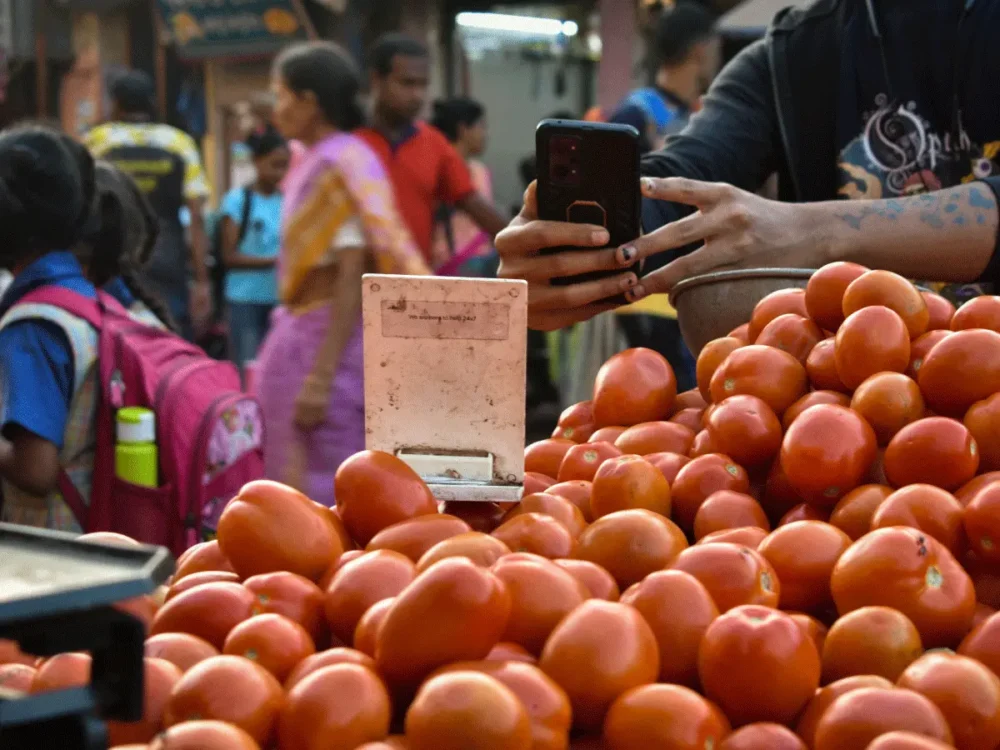
How Digital Transactions Are Changing the Way We Spend
Before getting off a rickshaw, or upon approaching a store counter, or while paying f...


For many economically vulnerable families in India, financial planning isn’t the primary concern—basic necessities like food, clothing, and shelter take precedence. In such cases, an unexpected medical emergency can be devastating, pushing families further into debt or depriving them of essential needs. The Ayushman Bharat Pradhan Mantri Jan Arogya Yojana (PM-JAY) steps in as a crucial support system, offering financial relief through cashless health insurance coverage of up to ₹5 lakh per family per year.
Launched in 2018, PM-JAY is one of the world’s largest government-funded healthcare programs, ensuring access to secondary and tertiary healthcare services across 20,000+ empaneled hospitals without the burden of out-of-pocket expenses.
Eligibility is determined using the Socio-Economic Caste Census (SECC) database, covering the bottom 40% of India’s population. The criteria include:
Rural Households: Families in kutcha houses, those without an earning adult male, disabled member households, and landless labourers.
The categorisation is as under:
To check eligibility and register, visit the official PM-JAY website or use Common Service Centers (CSCs) for assistance.
For families already struggling with daily sustenance, PM-JAY offers significant financial relief:
Recognising the unique medical needs of the elderly, the government has extended free healthcare coverage of up to ₹5 lakh for all senior citizens aged 70+, even if they are not part of an existing family coverage plan. This ensures that the elderly, often with limited financial resources, can receive necessary medical care without burdening their families.
Senior citizens can register via:
While the scheme offers immense benefits, its success depends on effective implementation. Several challenges persist:
For the economically weaker section, financial planning takes a backseat to immediate survival and medical emergencies. A well-implemented Ayushman Bharat scheme bridges this gap, ensuring that families don’t have to choose between medical treatment and daily sustenance. By reducing the financial strain of healthcare, PM-JAY indirectly allows families to focus on other essentials, including saving and investing for a better future.
To enhance efficiency, the government introduced ABHA (Ayushman Bharat Health Account), a digital health ID that allows users to store and share medical records seamlessly. This initiative aligns with the growing digitization of financial services and enhances healthcare access.
Ayushman Bharat PM-JAY has the potential to transform public healthcare in India—if implemented effectively. While it provides critical financial relief to vulnerable families, ensuring that hospitals participate actively, maintaining service quality, and increasing awareness are key to its success. A strong healthcare safety net is the first step toward long-term financial resilience, preventing medical costs from derailing families from their basic needs and future aspirations.

The views in the article /blog are personal and that of the author. The idea is to create awareness and not intended to provide any product recommendations.


Before getting off a rickshaw, or upon approaching a store counter, or while paying f...

A market crash, rising inflation, a devastating war, and respite from lockdowns amid ...
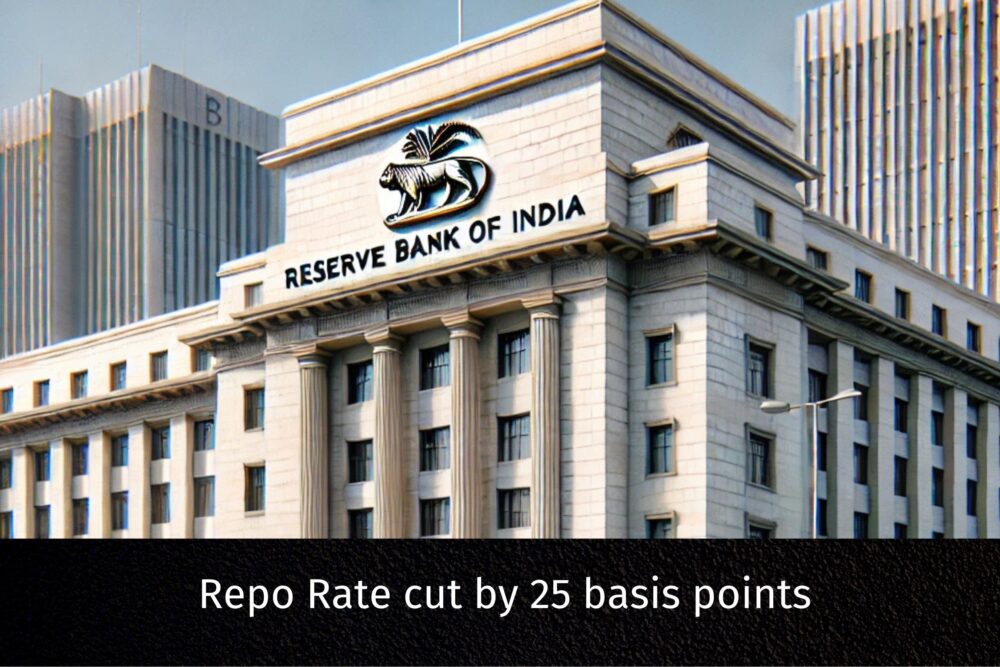
The Reserve Bank of India (RBI) uses the repo rate to regulate the flow of money in t...