


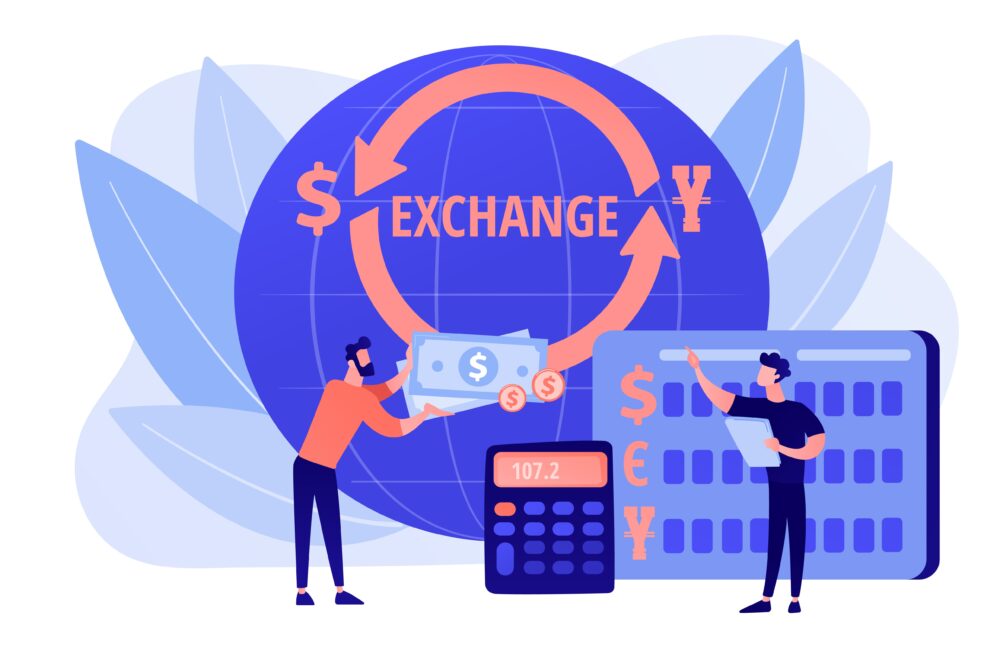
Understanding the Mechanics of Decentralized Exchanges
Explore our in-depth analysis on the rise of Decentralized Exchanges in India, their ...

Crypto
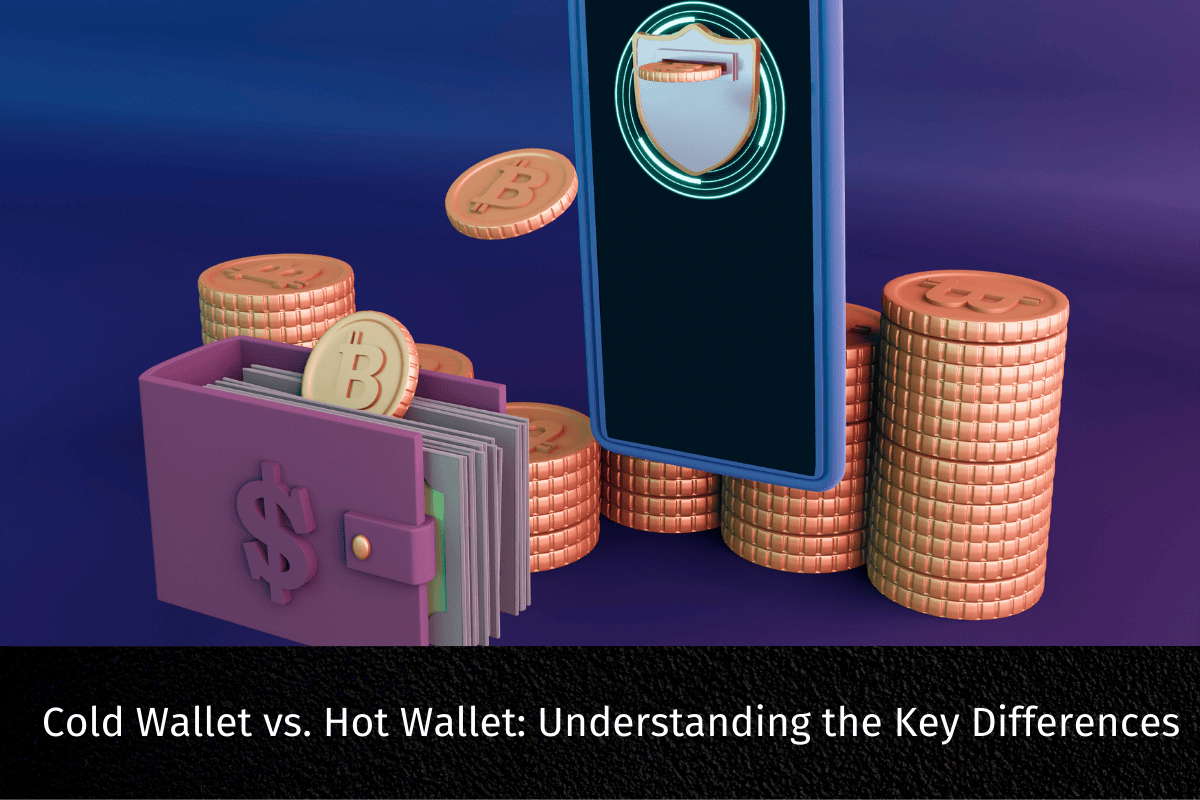
When storing cryptocurrencies, choosing the right type of wallet is crucial. There are two primary types: cold wallets and hot wallets. Both serve the same function—securely storing digital assets—but differ in how they manage security, accessibility, and risks. Understanding these differences can help investors make informed decisions about how to protect their funds.
A hot wallet is a digital cryptocurrency wallet that is connected to the internet. These wallets are commonly used for frequent transactions, making them convenient for traders and regular crypto users.
Key Features of Hot Wallets:
Pros of Hot Wallets:
Quick and easy access to funds Ideal for frequent trading or payments Generally free to use with no hardware cost
Cons of Hot Wallets:
Higher security risk—vulnerable to hacks and phishing attacks Risk of exchange failures—funds stored in exchange wallets are at risk if the platform is compromised Dependent on third-party services—custodial wallets require trust in the provider
A cold wallet is a type of cryptocurrency wallet that is offline and not connected to the internet. This makes it significantly safer from cyber threats such as hacking or phishing attempts.
Key Features of Cold Wallets:
Pros of Cold Wallets:
Unmatched security—immune to online hacking attempts Excellent for long-term storage—protects against cyber threats Self-custody—full control over private keys
Cons of Cold Wallets:
Less convenient for frequent transactions Can be lost or damaged if not stored properly Hardware wallets require an upfront purchase cost
The right wallet depends on your trading habits, security needs, and investment strategy.
Both hot and cold wallets serve important roles in crypto storage. Hot wallets provide convenience for traders, while cold wallets offer enhanced security for long-term investors. By combining both, users can enjoy the best of both worlds—easy access to funds when needed and secure storage for long-term holdings. Choosing the right wallet ultimately depends on how often you transact and how much security you prioritise.

The views in the article /blog are personal and that of the author. The idea is to create awareness and not intended to provide any product recommendations.


Explore our in-depth analysis on the rise of Decentralized Exchanges in India, their ...
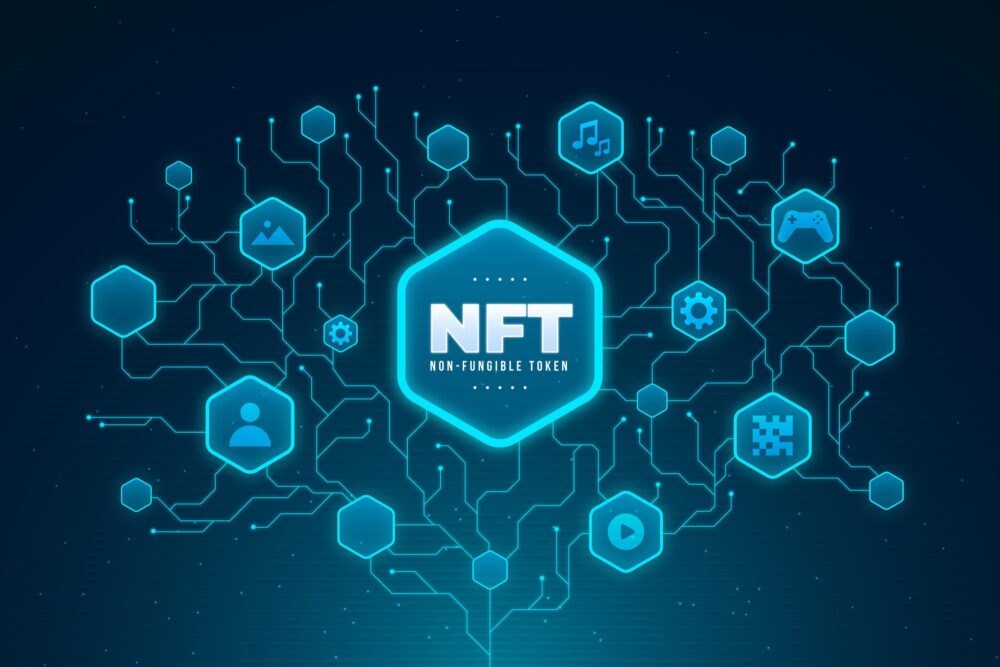
Exploring the world of Non-Fungible Tokens (NFTs), this blog delves into their unique...
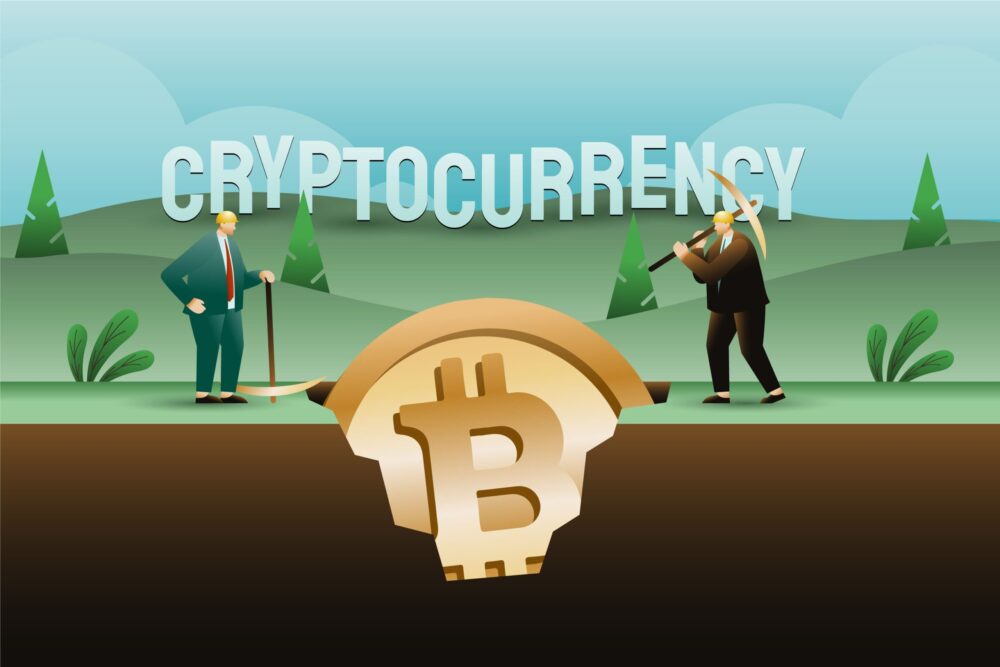
Crypto-currencies are reshaping India's financial landscape, offering decentralized d...