

Income Tax Slabs, Rates for FY2025-26, FY2024-25 Under the New Tax Regime and Old Tax Regime; Check How Much Tax You Have to Pay
By Anulekha Ray
ITR Filing
Feb 12, 2025
Plan Your Retirement with Our Qualified Financial Advisors

Your first financial plan is free
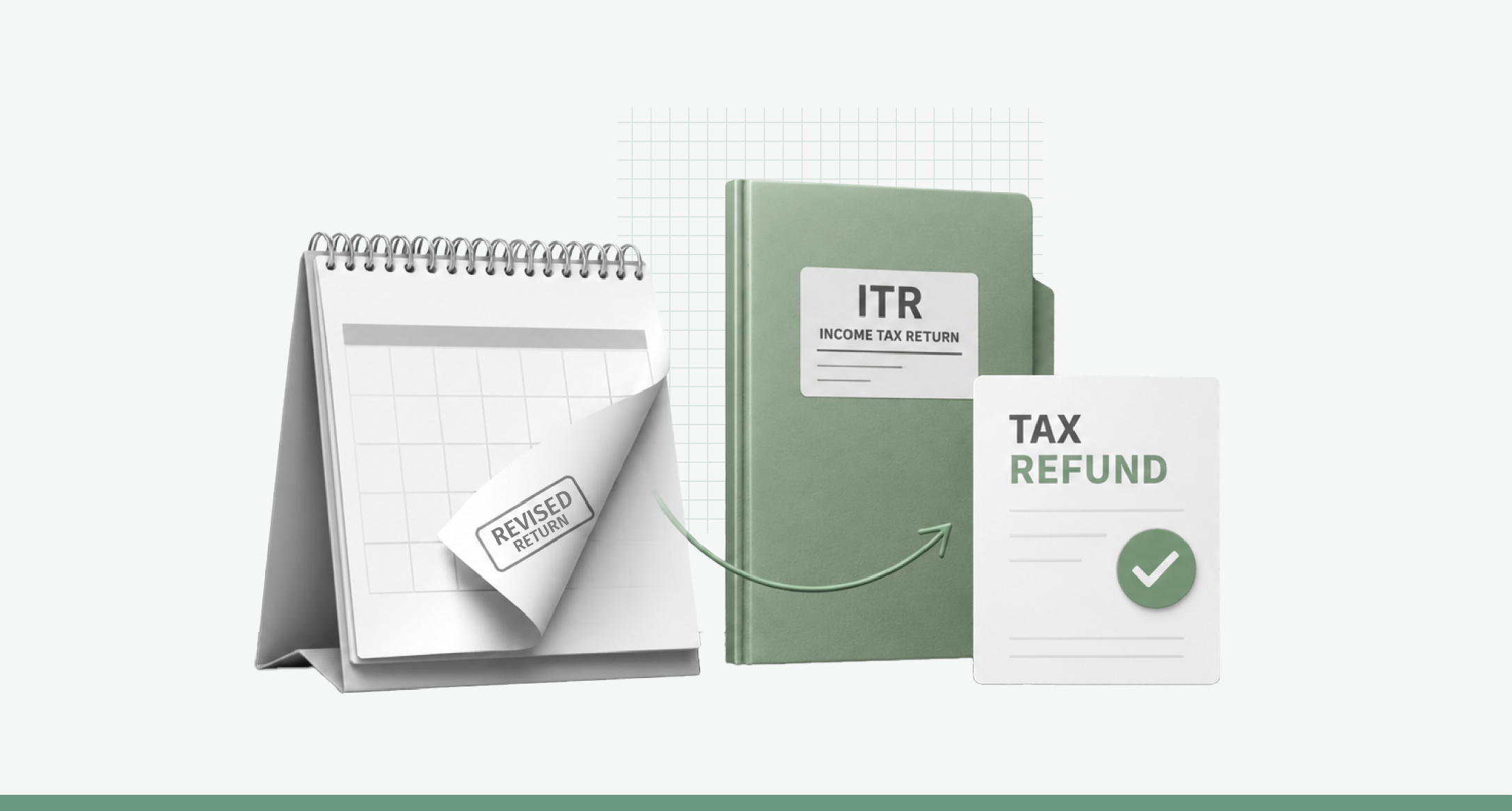
Receiving an income tax refund doesn’t prevent you from filing a revised return. Under Section 263(5) of the Income Tax Act 2025, a taxpayer can file a revise return if they discover an omission or wrong statement in a return already furnished. This applies to an original return as well as a belated return filed under Section 263(4).
The fact that your return has already been processed does not, by itself, prevent revision. Under the new Act, return processing and the subsequent assessment framework are dealt with under Section 270. The revised return provision remains available until its statutory deadline or completion of assessment, whichever occurs earlier.
So, if your ITR has been processed and a refund has already been issued, you can still file a revised return if you are within the permitted period.
For Tax Year 2026-27, Section 263(5) provides a revised return window of 12 months from the end of the relevant tax year, or until completion of assessment, whichever is earlier. Tax Year 2026-27 runs from 1 April 2026 to 31 March 2027. Therefore, the revised return window ordinarily runs until 31 March 2028, subject to the assessment being completed earlier.
This is separate from the deadline for filing the original return or a belated return. The new Act gives taxpayers additional time to correct an already filed return.
The revised return recalculates your tax position. The refund you already received is taken into account when determining what remains payable or refundable.
If the revised return reduces your refund
Suppose your original return resulted in a ₹20,000 refund, which you received. You later discover ₹60,000 of bank interest that was missing from your return. After including it, your correct refund works out to ₹8,000. You have already received ₹20,000 but were actually entitled to ₹8,000. The ₹12,000 excess refund becomes payable.
If the additional income also creates a shortfall or deferment of advance tax, the applicable interest will have to be considered separately.
If the revised return increases your refund
The reverse can happen if you discover an eligible deduction or tax credit that was left out of the original return. For example, your original return produced an ₹8,000 refund, but after including an eligible deduction, your correct refund becomes ₹18,000. The additional ₹10,000 can be refunded after the revised return is processed, subject to the department accepting the revised computation.
The important point is that filing a revised return doesn’t automatically cancel or reverse the refund already received. The department determines the final position after processing the corrected return.
Section 263(4) covers belated return, while Section 263(5) allows a taxpayer to revise an original or belated return to correct an omission or wrong statement. For example, if you file your Tax Year 2026-27 return late and subsequently discover that your dividend income was omitted, you can use a revised return to correct it, provided you are still within the Section 263(5) time limit.
This is particularly relevant because the revised return window under the new Income Tax Act extends beyond the belated-return window.
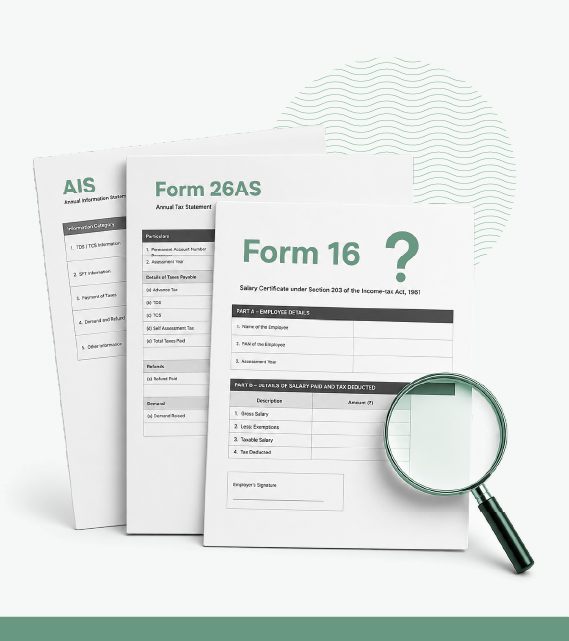
Before changing your ITR, reconcile the information in your original return with your supporting tax records.
Check the following information:
This is important because a revised return is not a correction of just one field. You are furnishing the return again with the corrected information, so the entire computation should be consistent. Keep the acknowledgement number and filing date of the original return available as well.
If you are looking for how to file revised return, the process is completed through the Income Tax e-Filing portal.
The Income Tax Act, 2025 does not impose a fixed numerical limit on revised returns. If you discover another omission or wrong statement after filing a revised return, you can file another revision as long as the statutory time limit remains open and the assessment has not been completed.
For example, you may first revise your return to report omitted bank interest and later discover that TDS credit was also missing. A further revised return can be filed to incorporate the additional correction, subject to the applicable deadline.
Once the Section 263(5) deadline has passed, you can no longer use a revised return to correct the filing.
Depending on the circumstances, an Updated Return (ITR-U) under Section 263(6) may provide another route. But an Updated Return serves a different purpose and comes with additional conditions and tax costs.
An ITR-U cannot be used to increase your refund or reduce your total tax liability. Only one Updated Return can generally be filed for a tax year, and additional income-tax is payable under Section 267.
The additional tax under Section 267 increases according to how long after the prescribed return-filing window the Updated Return is filed: 25%, 50%, 60% or 70% of the aggregate tax and interest payable, depending on the period.
That makes the distinction important: a revised return corrects an existing return within the prescribed revision period; an Updated Return is a separate mechanism for making eligible corrections after that window.
Log in to the Income Tax e-Filing Portal, select the relevant Tax Year and ITR form, choose Revised Return under Section 263(5), provide the original return’s acknowledgement details, make the required corrections, pay any resulting tax and complete e-verification.
Yes. Processing of your ITR doesn’t by itself prevent you from filing a revised return. You can revise it under Section 263(5) if you are within the prescribed time limit and the assessment has not been completed.
For Tax Year 2026-27, the revised return can generally be filed until 31 March 2028, or until completion of assessment, whichever is earlier. This follows the 12-month period prescribed under Section 263(5).
Yes. There is no fixed numerical limit on revised returns. You can file another revision if you discover a further omission, provided the statutory revision window is still open and the assessment has not been completed.
Yes, if you are legally eligible for the deduction and meet its applicable conditions. The correction must be made through a valid revised return within the prescribed period.

The views in the article /blog are personal and that of the author. The idea is to create awareness and not intended to provide any product recommendations.


Plan Your Retirement with Our Qualified Financial Advisors
Your first financial plan is free