



3 Things to Consider Before You Rush Into Investments
Investing is often seen as a gateway to financial growth and freedom. The promise of ...

 Book a free consulation
Get advice on investing, insurance, tax planning, loan management, etc, for free with a Qualifed Financial Advisor
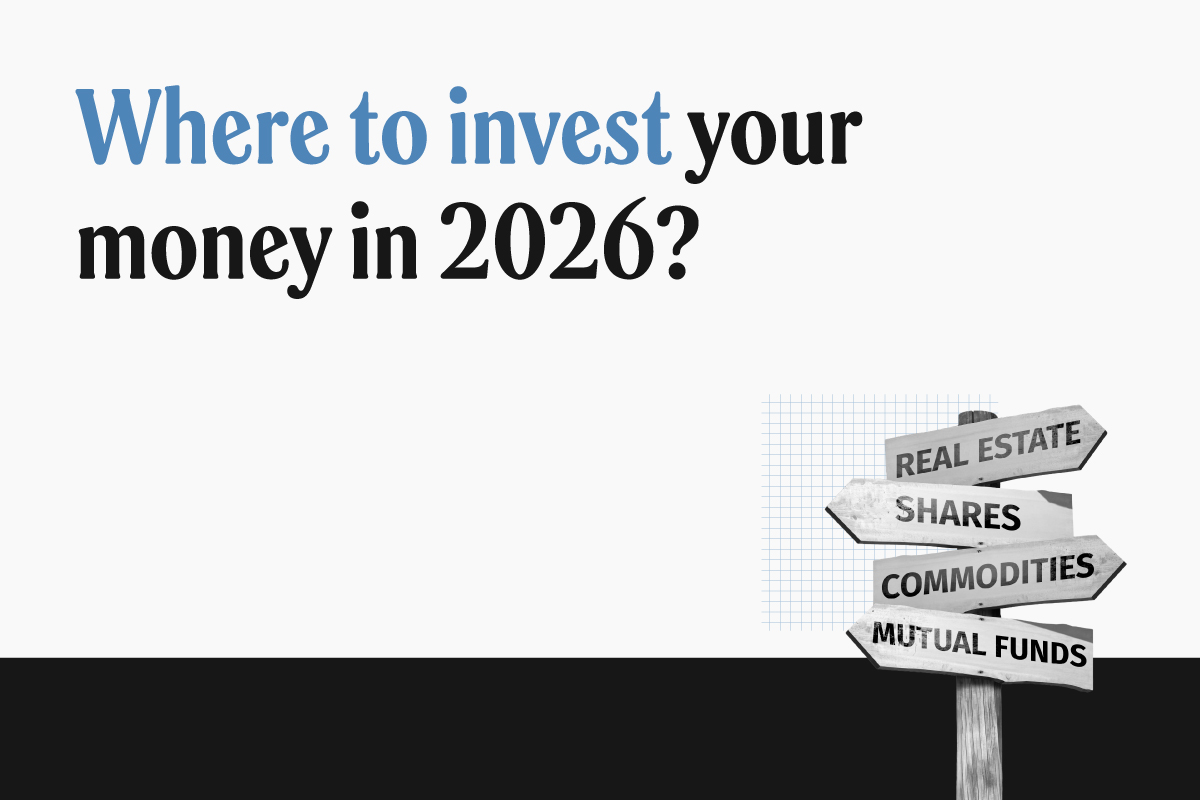
Are you looking for new investment ideas for this year? As we move past the first few weeks of January, many people are already scrolling through articles, videos, and posts promising the “Best investments for 2026,” “Top stocks to buy now,” or “Where to park your money this year.”
But the truth is that no list can accurately predict next year’s winners. Markets don’t follow headlines. They change direction with interest rate moves, policy decisions, or a single unpredictable world event. What shined in 2025 might completely lose steam in 2026.
So, those “best investment” lists you come across are little more than guesses, assumptions dressed as advice. In reality, they’re no more reliable than fortune-telling. As Ray Dalio once said, “He who lives by the crystal ball will eat shattered glass.”
Many platforms have already begun publishing their “best investment” lists for 2026. Of all products, mutual funds often bear the brunt of this trend. You’ve likely come across pieces titled “Top SIPs for 2026”, most of them built purely on one to three years of past performance. But as every investor knows, past returns offer no guarantee of future results.
In a recent study by 1 Finance Magazine, the top ten equity mutual funds from 2015 to 2025 were tracked across two consecutive three-year cycles. The results were startling, not a single fund that appeared in the top 10 during one cycle managed to hold its position in the next. The fund ranked number one between 2015 and 2018 slipped to 58th in the following period, while the second-ranked fund fell all the way to 198th.
The takeaway is clear: the so-called “winners” you see highlighted today may be tomorrow’s laggards. Relying on these lists is less about smart investing and more about chasing shadows.
You should stop chasing the best and looking for what is right for you. Now how do you find the right option? There’s no right answer, but analysing the investment option using the criteria given below can help.
Here’s how to find what’s right for you
The right investment should work in harmony with your entire financial picture, not stand apart from it.
Every investment decision should begin with your financial personality. It reflects how you relate to money, your comfort with risk, your reaction to volatility, and what truly drives your financial choices. Some investors enjoy the thrill of market cycles and chase growth despite short-term swings. Others prefer stability and sleep better knowing their money is parked in steady, index-based investments.
At 1 Finance, we use MoneySign® to help individuals understand their unique financial personality. This framework enables our Qualified Financial Advisors to design plans that align perfectly with who you are as an investor, ensuring every recommendation suits your goals, temperament, and risk appetite.
Your asset allocation plays a central role in determining how well your portfolio performs over time. It guides what you should add and what you should avoid, based on your existing exposure to different asset classes. Many “best investment” articles tend to recommend a specific product or asset class without considering what you already hold. Following such advice blindly can leave you overexposed to certain risks.
As highlighted on 1 Finance India Macro Indicators, no single asset class performs well across every phase of the economy. Some thrive during periods of strong growth, while others provide stability during slowdowns. Silver, for instance, was among the best performers in 2025 but one of the worst in 2023, a reminder of how market leadership changes constantly.
This is where diversification becomes crucial. A Qualified Financial Advisor can help you build a portfolio that complements your existing holdings, ensuring your investments remain balanced and resilient through changing market conditions.
Your investment choices should always reflect your current life stage. The right strategy for someone in their 20s will look very different from that of an investor in their 50s. In your 20s, time is your greatest advantage. With decades ahead to ride out market fluctuations, equity funds can help you benefit from long-term compounding. But as you approach your 50s, the focus naturally shifts from growth to preservation, protecting what you’ve built becomes the priority, making low-risk or fixed-return options more suitable.
Similarly, life goals such as a child’s education, a home purchase, or retirement influence how your investments should be structured. The “best investment” lists you see online rarely account for such timelines or priorities. A Qualified Financial Advisor, on the other hand, builds a plan tailored to where you are in life today, and where you want to be tomorrow.
No investment decision should ever be made in isolation. Each choice needs to fit within the larger picture of your finances, your income, expenses, ongoing loans, existing portfolio, and future goals. The right investment for you isn’t just about returns; it’s about how well it complements the rest of your financial life.
In many cases, investing isn’t the immediate priority at all. Ask yourself: do you have a sufficient emergency fund? If not, that’s where your focus should be before thinking about new investments. Likewise, if you’re carrying high-interest debt, a Qualified Financial Advisor can help you assess whether repaying it first makes more financial sense than investing.
An advisor also ensures your portfolio stays tax-efficient and aligned with your income flows and life milestones, so that every rupee you invest moves you closer to long-term financial stability.
DIY searches often lead to mismatches, emotional decisions, and lower returns over time. For true personalisation, a Qualified Financial Advisor is the clear path. They start with your personality, life stage, asset allocation, and overall finances. They check for overlap in your portfolio. They adjust for tax efficiency and review everything yearly.
This year, make the decision that sets you on the path to financial well-being. Skip the crystal ball predictions and connect with a SEBI-registered advisor today.

The views in the article /blog are personal and that of the author. The idea is to create awareness and not intended to provide any product recommendations.


Get advice on investing, insurance, tax planning, loan management, etc, for free with a Qualifed Financial Advisor
Explore
Investing is often seen as a gateway to financial growth and freedom. The promise of ...
This blog will help you understand how investing can be a game changer.

Are you in your 30s and looking for ways to improve your financial situation? Get pra...