



P2P Lending in 2025: The Future of Alternative Financing
Peer-to-peer (P2P) lending has undergone a significant transformation since its incep...

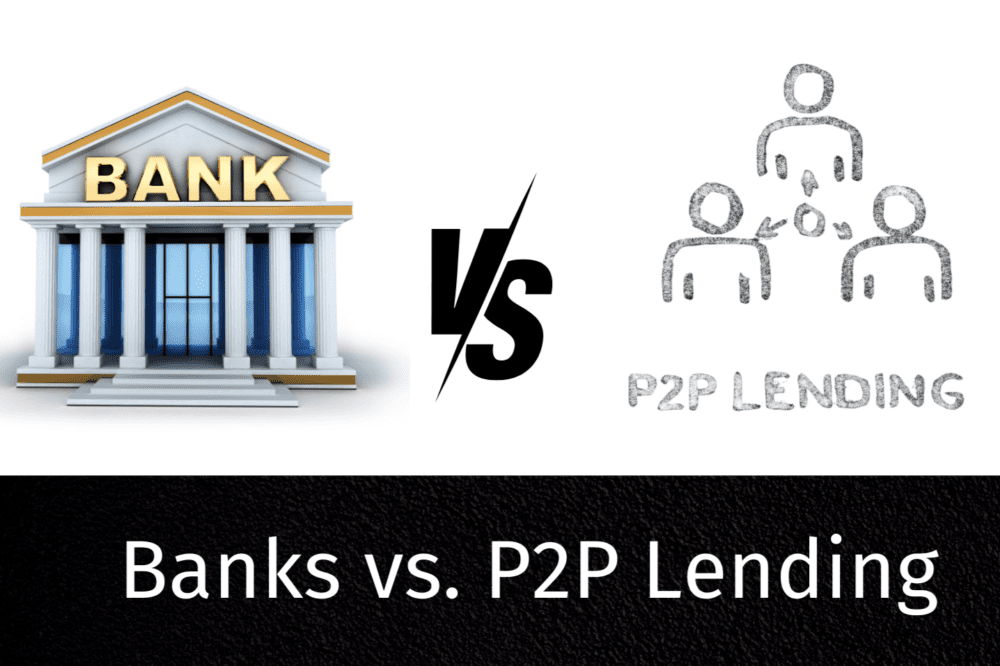
Banks vs. P2P Lending
In the dynamic world of finance, traditional banking is no longer the sole option for individuals and businesses seeking loans or investment opportunities. Peer-to-peer (P2P) lending and decentralised finance (DeFi) have emerged as strong alternatives, offering innovative solutions to meet modern financial needs. In this blog, we’ll explore how banks, P2P lending, and DeFi differ, and how each caters to today’s evolving market.
Banks have long been the cornerstone of financial services, offering a wide range of products like savings accounts, loans, credit cards, and investment tools. Their strength lies in their reputation, regulatory oversight, and ability to serve a broad customer base. Key features include:
However, traditional banks often have lengthy processes, higher fees, and stringent eligibility criteria that may exclude many potential borrowers.
P2P lending platforms connect borrowers directly with lenders, eliminating the need for a traditional financial intermediary. This model democratises lending by offering:
In India, where financial inclusion is a growing priority, P2P lending has gained significant traction. Regulatory frameworks by the Reserve Bank of India (RBI) ensure a degree of security, though risks like defaults remain.
Decentralised finance (DeFi) leverages blockchain technology to offer financial services without relying on traditional intermediaries. By using smart contracts, DeFi platforms provide:
DeFi presents a stark contrast to both banks and P2P lending by operating entirely outside of traditional financial systems. However, it also introduces risks, including smart contract vulnerabilities, regulatory uncertainty, and market volatility.
| Feature | Banks | P2P Lending | DeFi |
| Intermediation | Centralised | Minimal | None |
| Regulation | Strict | Moderate | Limited or evolving |
| Speed of Transactions | Moderate | Faster | Instant |
| Accessibility | Limited (due to criteria) | Broader (but selective) | Global (with internet) |
| Risk | Low (insured deposits) | Moderate (default risks) | High (smart contract risks) |
The financial landscape is shifting rapidly, driven by technology and changing consumer preferences. Here’s how these three models might evolve:
The choice between banks, P2P lending, and DeFi depends on individual needs and risk appetite. Traditional banks offer security and trust, P2P lending provides efficiency and accessibility, and DeFi introduces groundbreaking possibilities. Together, these options illustrate a future where financial services are increasingly personalised, democratised, and decentralised.

The views in the article /blog are personal and that of the author. The idea is to create awareness and not intended to provide any product recommendations.


Peer-to-peer (P2P) lending has undergone a significant transformation since its incep...
Peer-to-Peer (P2P) lending, also known as social lending, is gaining significant trac...
The Reserve Bank of India (RBI) recently issued a revised circular on August 16, 2024...