
-
Financial Planning

-
Calculators
-
Scoring & Ranking
-
About
1 Finance Blog
Discover financial wisdom on our blog for expert insights on personal finance, investing, and money management.

What Do I Need to Know Before Taking On a Home Loan?
Dear Qualified Financial Advisor, After many years of living in a rented home with my wife…

3 min read
What to Keep in Mind While Building Your Financial Plan
Financial wellness — which means ensuring that your finances are in line with your financial circumstances…
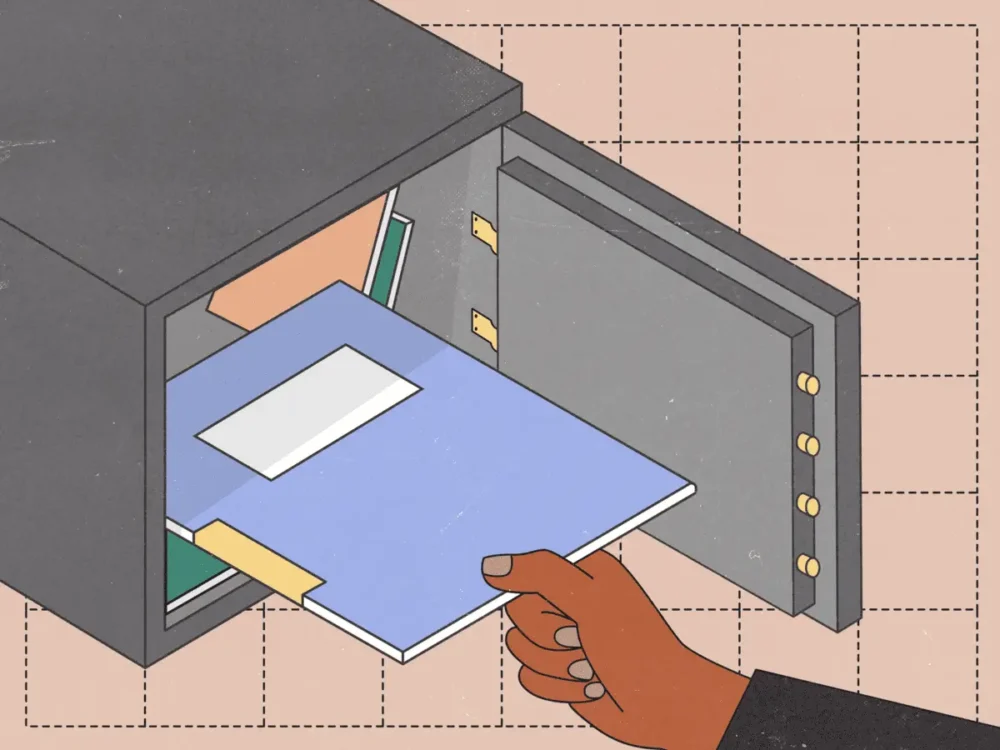
How We’re Keeping Your Data Safe
There’s growing discourse around data privacy and security across the world — and for good reason.…

3 min read
Could Letting Go Actually Be Profitable?
Do you hesitate to let go of your possessions? Take a look around — maybe it…

4 min read
How Do You Grow an Inheritance into a Business?
Money is incredibly interesting — it comes, it goes, it grows and it talks. I spent…

How Do I Identify an Unhealthy Mutual Fund Investment?
Dear Qualified Financial Advisor, Last year, I started looking for investment options that help with having…

5 min read
How to Choose Best Tax Regime For You | Old Tax Regime Vs New Tax Regime
This blog post compares India's old and new tax regimes, discussing their effects on taxes and…

What Are Financial Advisors Planning For?
All of us have financial goals that we’re working towards — and they’re usually incredibly personal. Our…

3 min read
How to Build a Good Credit Score
What constitutes credit can be a vague, elusive and somewhat intimidating concept, despite how ubiquitous it…

Can I Plan My Finances to Align with My Ideal Lifestyle?
Dear Qualified Financial Advisor, Over the past few years, I’ve been taking small steps to get…

3 min read
Why We Created a Commission Analyser for Insurance Policies
Among the issues that plague India’s personal finance advisory space, the mis-selling of financial products that…

How Reactive Purchases Impact Our Carbon Footprint
It all began with a dressing gown. Denis Diderot was a French philosopher who lived in…


Discover your MoneySign®
Identify the personality traits and behavioural patterns that shape your financial choices.